
Activities
Current Projects
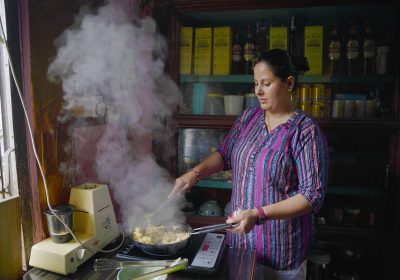
Implementation of the Third Phase of the WISIONS Innovation Lab in Nepal
The Innovation Lab (IL) is a transformative research approach developed by the Wuppertal Institute for Climate, Environment and Energy with an aim to integrate sustainability research into multi-stakeholder processes and catalyze systemic change for climate-friendly and resource efficient communities. The vision of Phase 3 is that local governments, MHP management...
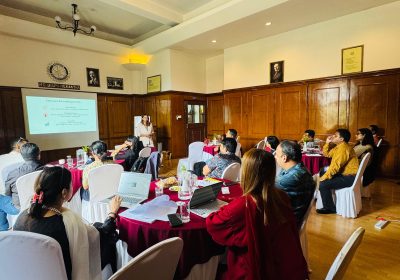
Regional Enhancement for Climate Adaptation and Partnership (RECAP)
The project target group and community face several challenges: a lack of understanding and capacity to address climate change effectively, insufficient technical expertise for sustainable solutions, difficulties in developing project proposals that meet donor requirements, and a failure to integrate gender responsiveness. Additionally, there is a lack of networking and...
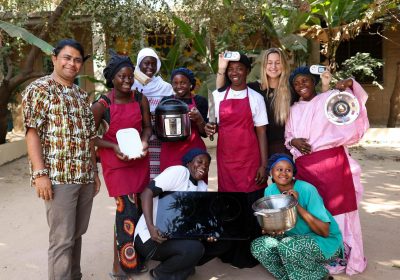
Sustainable, Holistic and Inclusive Energy Systems for Well- Being (SHINE)
Objectives of the Project: 1) Understand success, failure and the well-being impacts of energy interventions by reviewing and mapping previous energy access initiatives in sub- Saharan Africa 2) Create a holistic well being framework, utilizing transdisciplinary methodologies to transform energy system design 3) Pilot and evaluate the SHINE framework on...
Climate Resilient Communities and Sustainable Livelihood Initiatives for Pro-Poor, continuation
Due to erratic and rising rainfall and temperature patterns over the decades, climatic events in Pyuthan District have become increasingly unpredictable, leading to a higher frequency of climate-related hazards. Over the past three decades, Pyuthan has experienced a growing frequency of landslides, triggered by heavy precipitation, which has also caused...
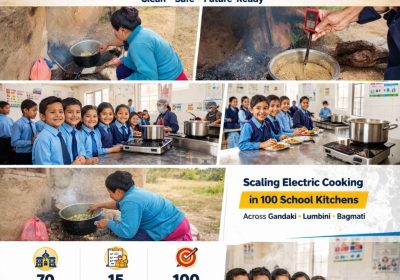
Bringing clean, electric cooking to schools in Lumbini, Bagmati and Gandaki to reduce greenhouse gas emissions
The project will work closely with the respective local governments, public schools and relevant stakeholders to enable integration of electric cooking in school kitchens. High stakeholder engagement is crucial in instances where technologies are new, the perception of higher cooking costs on electricity still persists, the essentiality of flame visibility...
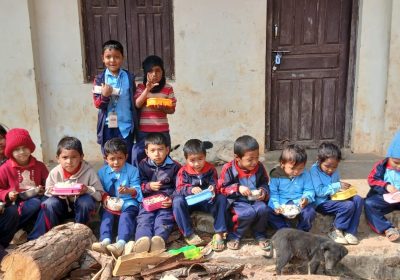
Conducting Schools Kitchen and Cooking Study (SKACS) in a range of schools in Nepal
There has been growing interest in transitioning school kitchens to clean cooking fuels, primarily on the basis that school kitchens can use a large amount of firewood, so substantial reductions in biomass fuel use (and gains in associated benefits) can be achieved by working with a single institution. It also...
Previous Projects
Organization’s own financial supported programme
SN Name of the Programs Implementation period Location of implemented program Types and number of beneficiaries Outcome 1 Awareness creating activities on energy and environment sectors Since April 2005 Doti District Few VDCs Collaborating with RDSC 2 MHP promotional activities Since June 2005 Jumla Jointly with HIMEA
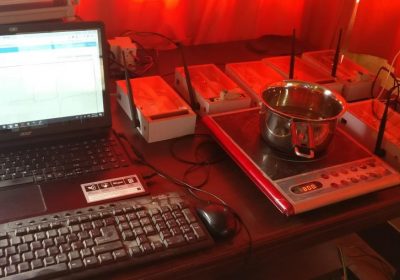
Methodology for Feasibility Study of Electric Clean Cooking Program in Rukum
Improving cooking is essential for developing countries like Nepal in reducing adverse human health and evnronmental impacts caused by burning firewood. This "Methodology for Feasibility Study of Electric Clean Cooking Program in Solabhang, Rukum " projects will identify all the necessary cooking requirements and their cooking behavior. Installation of different...

Improved Resilience Of Upland Communities Along The Kaligandaki River
As per the Vulnerability and Risk Assessment Report (VRA), 2021 published by the Ministry of Forest and Environment of the Government of Nepal, Mustang and Myagdi districts lie under climate-vulnerable districts with low adaptive capacity. The key factors that induced the vulnerability are particularly but not limited to climate change,...
Training/Consultancy delivered to other organizations
SN Type of training/Consultancy Training/Consultancy receiving organizations’ name 1 Organization Management, Training Cum Workshop 2 Project Construction Management Training Cum Workshop 3 Rural Electrification Consumers Services & meter reading training cum workshop 4 Training Cum Workshop- Organization Management for Mid Level Manager 5 One day Seminar on Small Hydropower Development...
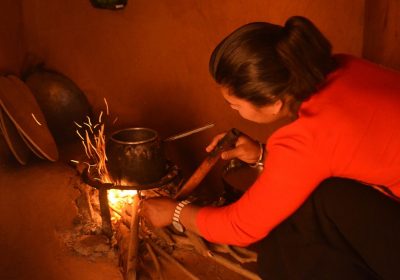
Assessing electric cooking potential in micro hydropower microgrids in Nepal
Access to clean cooking energy is a problem in Nepal especially for women because they are usually responsible for cooking. Improving women's time constraint through better infrastructure and technology is one of the priorities to enhance gender equality. Modern cooking stoves and fuels (LPG and electric cookers) can save women's...

Demonstration of effective landslide management through on-sight solutions
The project aims to demonstrate effective management of landslides via the use of local resources, application of indigenous knowledge and adoption of Sloping Agricultural Land Technology (SALT) and bio-engineering techniques. Through this initiative, the project aims to strengthen capacities of local government and communities to implement social innovations and mobilize...
Specific donor supported project/program
Donor : Winrock International Name of the program : A research Study on “Market based demand management of electrical energy in Nepal.” Implementation period : 24th May 2005- December 2005 Location of implemented program : Kathmandu Valley Type and Number of beneficiaries : It is a research study to influence...

Upscaling locally manufactured Turgo Turbine: Dissemination and Demonstration
PEEDA in collaboration with Nepal Yantra Shala Energy (NYSE), Turbine Testing Lab, Kathmandu University (TTL, KU), University of Bristol (UoB), UK and Hydro Empowerment Network (HPNET) will be implementing the project. The project has been funded by Energize Nepal, Kathmandu University as an extension of previously conducted research on Turgo...
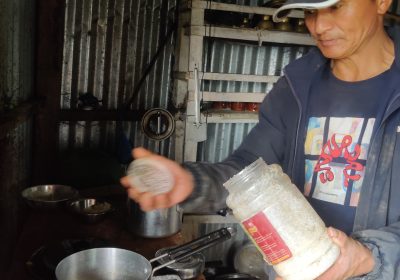
Small-Scale Community Roll-Out of Electric Cooking Solutions
Electric cooking has high technical perspectives. The successful adoption of electric cooking requires the target groups to be ensured with the complete package of technology hardware, quality education on the technology and affordable and reliable electricity. To make consumers adaptive to electric cooking technologies continuously and not return back to...
Training
PEEDA also runs training programmes, workshops and seminars to promote research and development of renewable energy.